
Low back pain relief is something many people seek when daily movement becomes uncomfortable or restricted. You’re not alone. Low back pain is one of the most common health concerns, affecting people across all ages and lifestyles.
The good news is that small, consistent changes can make a meaningful difference. Whether your pain is linked to posture, muscle strain, or an underlying condition, there are practical ways to reduce discomfort and improve how you move and feel each day.
Here are seven evidence-informed strategies to help relieve low back pain and support long-term wellbeing.
Improve Your Posture to Reduce Back Strain
One of the leading causes of low back pain is poor posture, especially when sitting or standing for extended periods. Make a conscious effort to sit and stand with your back straight, shoulders relaxed, and your weight evenly distributed on both feet. Avoid slouching or hunching over, as this can put unnecessary strain on your back muscles and spine.
Stay Active with Regular, Targeted Exercise
Engaging in regular physical activity is essential for strengthening the muscles that support your spine and improving flexibility. Incorporate exercises that target the core muscles, such as planks, bridges, and bird dogs, to help stabilise your spine and reduce the risk of injury. Additionally, low-impact activities like swimming, walking, or yoga can help alleviate stiffness and improve overall mobility.
Use Mindful Movement to Ease Tension
Practices like yoga and tai chi combine gentle movement with breathing and body awareness.
These approaches can:
- Reduce muscle tension
- Improve flexibility
- Support better movement patterns
They’re especially helpful if stress or tension is contributing to your back pain.
Create an Ergonomic Work Environment
Your workspace plays a bigger role than you might think.
To reduce back strain:
- Use a chair with proper lumbar support
- Keep your screen at eye level
- Position your feet flat on the floor or on a footrest
You might also consider a standing desk or ergonomic accessories to support better posture throughout the day.
Prioritise Rest and Quality Sleep
While movement matters, recovery is just as important.
Aim for 7–9 hours of quality sleep each night. A consistent sleep routine, along with simple relaxation techniques like deep breathing or gentle stretching, can help reduce muscle tension and support healing.
Use Heat or Cold Therapy for Pain Relief
Both heat and cold therapy can provide effective short-term relief from low back pain.
- Heat therapy helps relax tight muscles and improve blood flow
- Cold therapy reduces inflammation and numbs sore areas
Apply for 15–20 minutes at a time and see which works best for your body.
Seek Professional Support When Needed
If your low back pain persists or worsens, it’s important to get the right support.
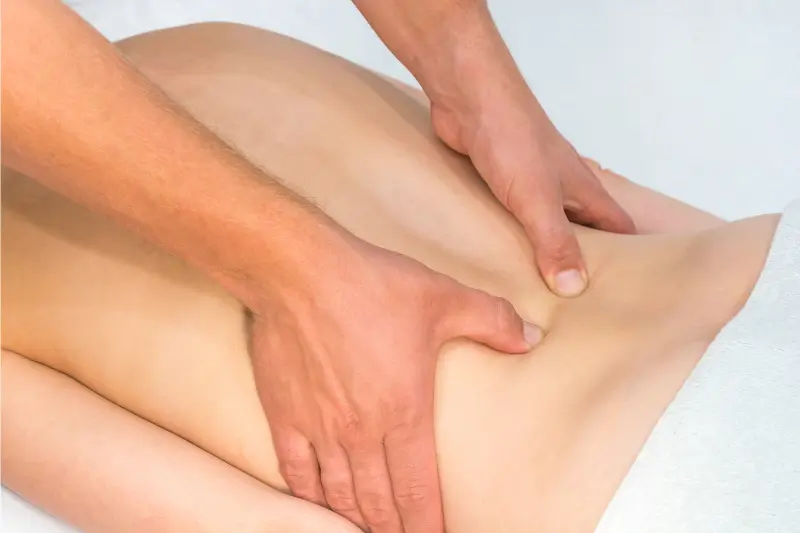
A qualified health professional—such as a physiotherapist or chiropractor—can assess your condition and develop a personalised treatment plan. This may include targeted exercises, manual therapy, or other evidence-based interventions.
Moving Forward
Managing low back pain isn’t about one quick fix—it’s about combining simple, practical strategies that work together over time.
By improving posture, staying active, creating a supportive environment, and seeking help when needed, you can reduce pain, move more confidently, and improve your overall quality of life.
Your next step doesn’t need to be complicated—it just needs to be consistent. Your journey to a healthier, pain-free back starts today!
Read more about What we do and What we treat.