
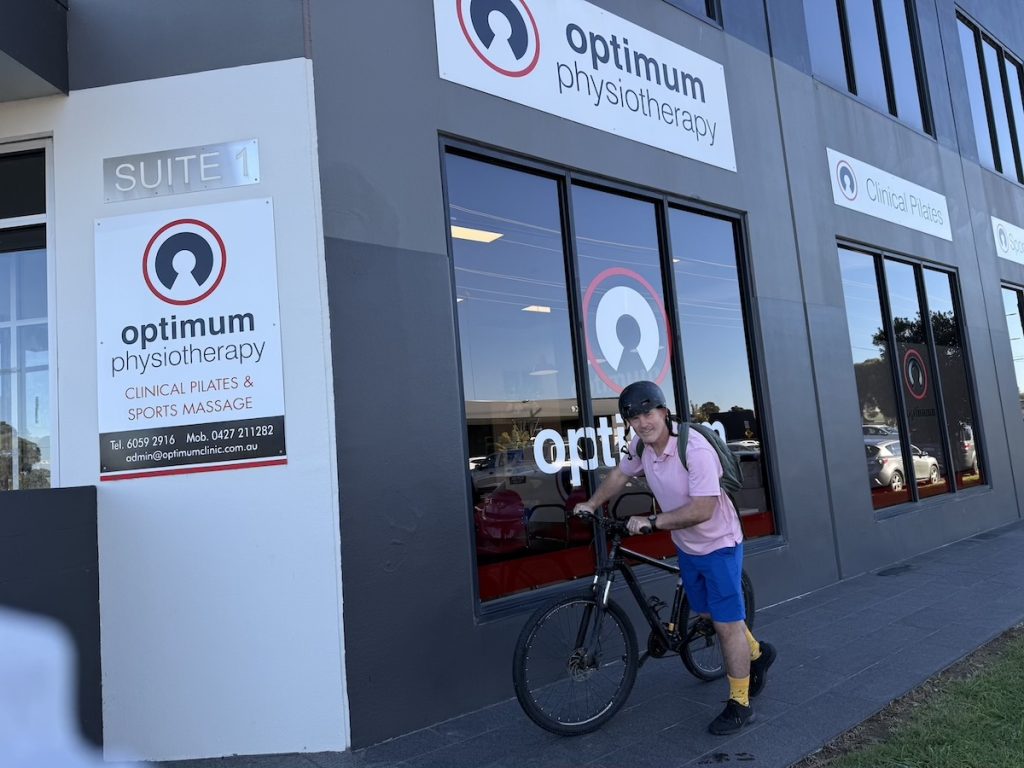
Rising petrol prices are pushing many people to consider walking to work. It’s great for your wallet and overall health — but from a physiotherapy perspective, preparing your body properly is essential to avoid pain or injury as as demonstrated in a study by Safran et.al. Here’s what you should know before and after walking.
Before Walking
1. Start With Dynamic Stretching
Before walking, avoid long static stretches. Instead, focus on dynamic movements to prepare your muscles and joints.
Examples:
Dynamic stretching helps increase blood flow and reduces injury risk.
2. Do a Short Warm-Up
Do not start walking at full speed immediately.
- First 3–5 minutes: walk slowly
- Gradually increase your pace
- Allow your heart rate to build progressively
This helps prepare your calves, knees, and hips.
3. Choose the Right Pace
Aim for a moderate pace — you should be able to talk comfortably but not sing.
- Too fast may lead to calf strain
- Too slow may reduce conditioning benefits
- A consistent rhythm is ideal
4. Wear Proper Footwear
Choose comfortable walking shoes with:
- Good cushioning
- Proper arch support
- Slight flexibility in the front
Worn-out shoes increase the risk of heel pain and shin splints.
5. Maintain Good Posture
Keep your posture relaxed and upright:
- Head up
- Shoulders relaxed
- Arms swinging naturally
- Avoid leaning too far forward
Good posture reduces back and neck strain.
After Walking
6. Cool Down Properly
Do not stop suddenly. Slow your pace during the last few minutes to allow your muscles to relax gradually.
7. Static Stretching
After walking, hold stretches for 20–30 seconds.
Focus on:
This helps reduce stiffness later.
8. Hydrate
Even a short walk causes fluid loss. Drink water after finishing.
9. Watch for Warning Signs
Pay attention to early discomfort such as:
- Heel pain
- Shin pain
- Knee discomfort
- Lower back stiffness
These may indicate overload.
Final Thoughts
Walking to work can save money and improve fitness, but preparation is key. Following these physiotherapy-based tips helps prevent injury and keeps your routine sustainable long term. To ensure you’re walking safely and effectively, book an appointment with us today and get a personalized assessment and guidance from our physiotherapy team