
Jaw & TMJ Health Physiotherapy Wodonga
Jaw Pain & TMJ Problems
Jaw pain can make simple things like eating, talking or yawning surprisingly uncomfortable. At Optimum Physiotherapy Clinic, we look at what’s contributing to your symptoms and help you find practical ways to move your jaw more comfortably.
Book an AppointmentWhat might you notice?
Jaw problems can show up in different ways. You might experience:
- Aching around your jaw, cheeks or temples
- Clicking or popping sounds
- Stiffness or difficulty opening your mouth
- Pain with chewing
- Headaches and discomfort near your ears
Clicking on its own isn’t always a problem, but painful or restricted movement is worth assessing.
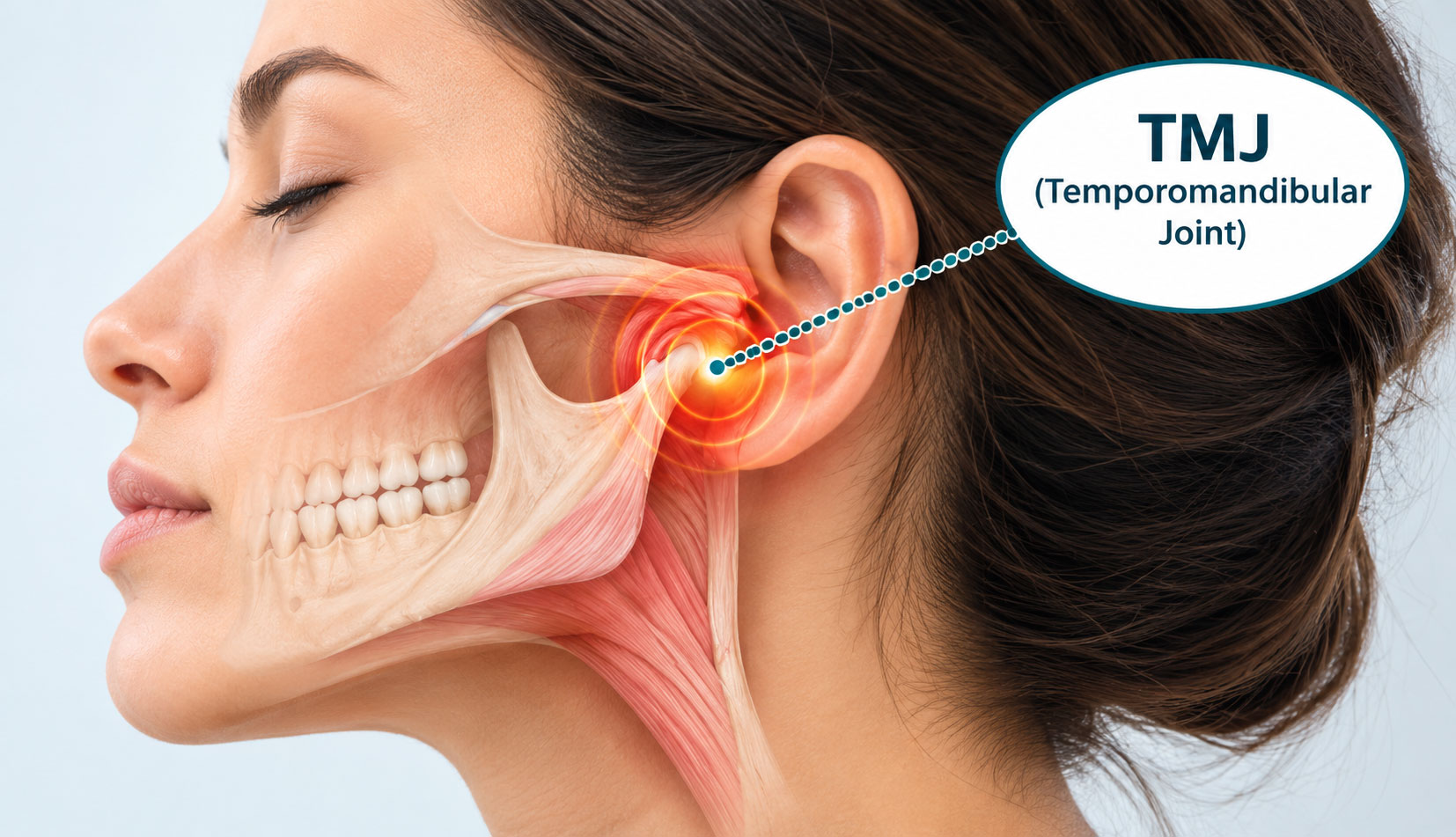
Why does jaw pain happen?
A range of factors can contribute to jaw pain and TMJ (temporomandibular joint) problems, including:
- Clenching or teeth grinding (bruxism)
- Muscle tension
- Joint irritation (e.g. TMJ)
- Arthritis
- A previous injury
- Stress (which can increase clenching)
Sometimes a dental issue is involved, so understanding the cause matters.
How we can help
We assess your jaw movement and the muscles around it, then develop a plan suited to you. This may include:
- Gentle jaw exercises
- Movement retraining
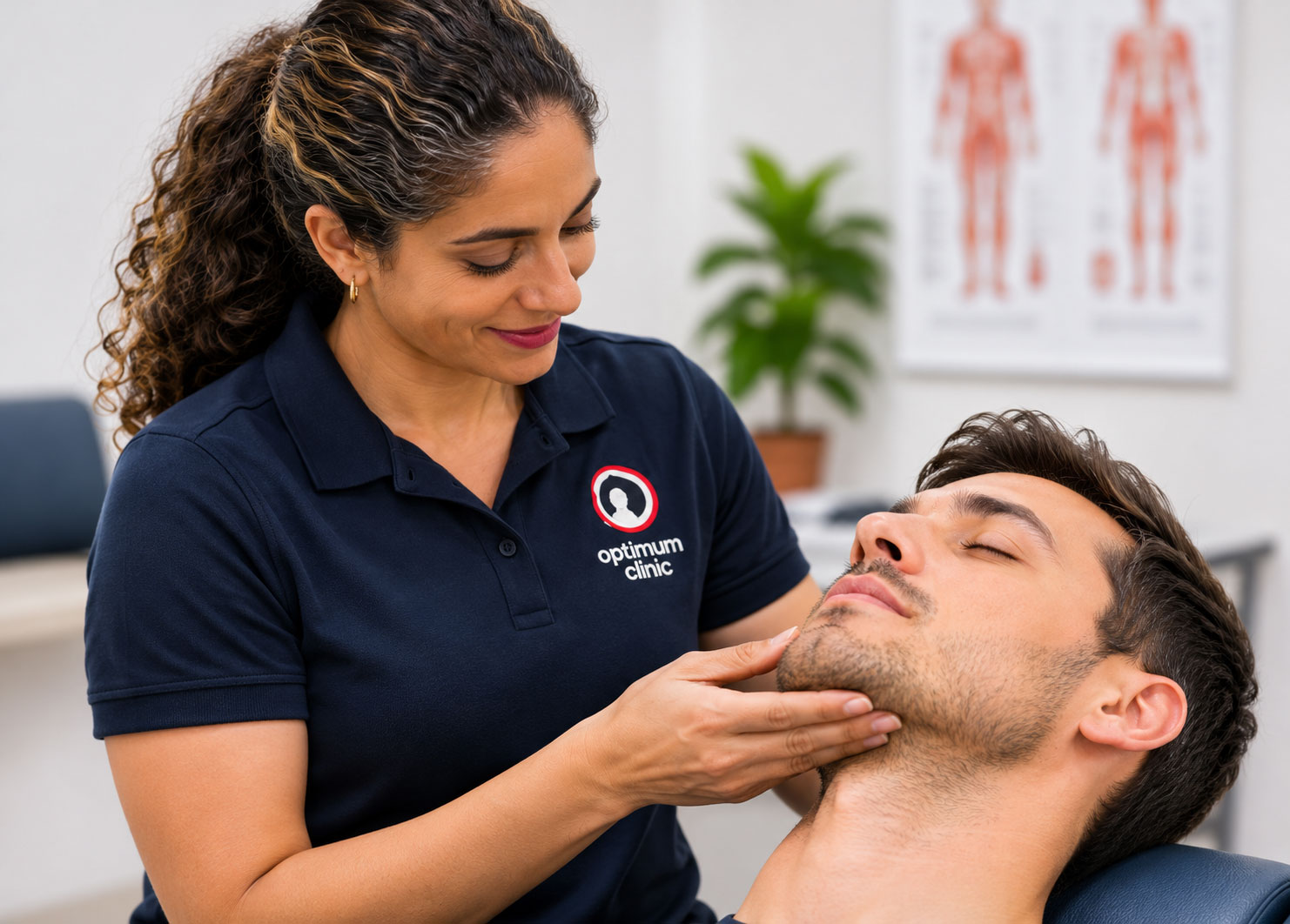
- Hands-on treatment (where appropriate)
- Advice about habits that aggravate symptoms
- Referral for dental or medical review when needed
When to book
If pain keeps returning, eating is uncomfortable or your jaw movement is limited, book an assessment with our team in Wodonga.
Book an AppointmentCommon Questions
Is jaw clicking always a concern?
Not necessarily. Clicking without pain or restriction can be common. If it’s painful, your jaw locks or you’re struggling to open your mouth, get it assessed.
How long does recovery take?
It varies. Some symptoms settle within weeks, while persistent jaw problems can take longer to manage.
When to seek medical attention
Seek prompt medical or dental attention for a locked jaw, significant swelling, fever or difficulty eating or drinking.