
Physiotherapy · Wodonga
Pelvic & Hip Pain Physiotherapy
Pelvic and hip pain can affect your ability to walk, exercise, sleep and enjoy everyday activities. At Optimum Physiotherapy Clinic, we look at the complete picture to find the underlying cause and create a personalised treatment plan for your recovery.
-
 Personalised
treatment -
 Movement-focused
care -
 Support for
your goals
Understanding your symptoms
What can pelvic and hip pain feel like?
Pelvic and hip problems can cause a range of symptoms that affect your movement, comfort and quality of life.
Hip or groin pain
Discomfort at the front, side or back of your hip, particularly when walking, bending or exercising.
Pelvic pain or discomfort
Pain around the pelvis, pubic region or surrounding muscles during everyday activities.
Hip stiffness
Difficulty bending your hip, putting on shoes, getting into a car or moving after sitting for long periods.
Pain when walking or standing
Discomfort that increases with prolonged walking, standing or climbing stairs.
Pain during exercise
Symptoms when running, squatting, lifting weights or participating in sports.
Reduced mobility
Difficulty getting up from a chair, turning in bed or performing daily tasks.
Muscle tightness or weakness
Tightness around the hips, buttocks or groin, or reduced strength and stability.
Pain during pregnancy or after childbirth
Pelvic girdle discomfort that affects walking, rolling in bed or standing on one leg.
Supporting your recovery
How can physiotherapy help?
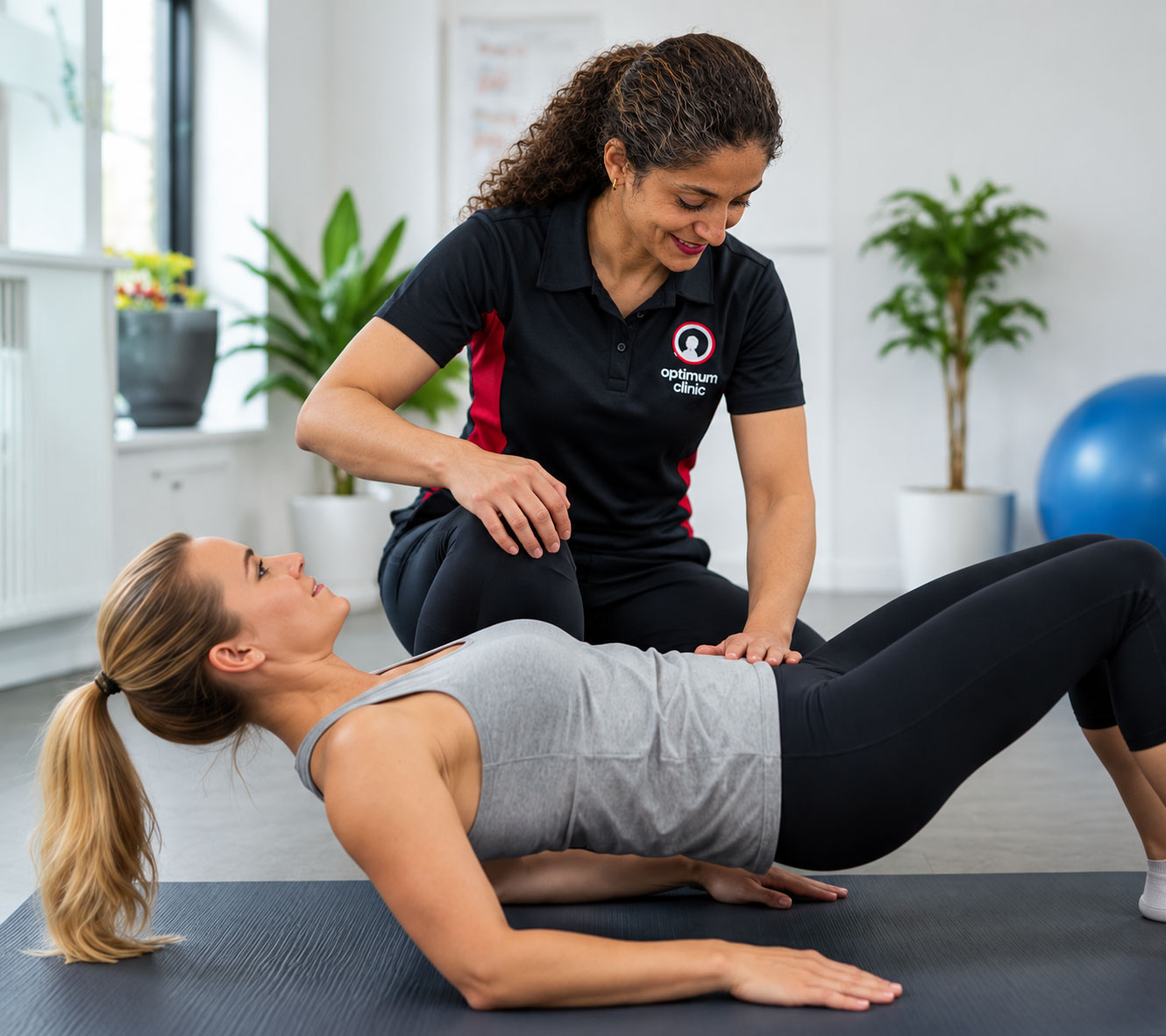
We provide individualised physiotherapy to help manage pelvic and hip pain, improve movement and support your recovery.
- Reducing pain – manage symptoms and improve tolerance for everyday activities.
- Improving hip mobility – address stiffness and improve comfortable movement.
- Building strength and stability – strengthen the hip, gluteal and surrounding muscles.
- Improving movement patterns – assess how you walk, squat and perform daily activities.
- Supporting injury recovery – progressive rehabilitation to help you return to exercise, sport and normal activities.
- Managing pelvic girdle pain – individualised strategies during pregnancy, after childbirth or with other pelvic conditions.
- Preventing recurring problems – education and activity modification for long-term physical capacity.
Common causes
Understanding the possible causes
Pelvic and hip pain can arise from several structures, including joints, muscles, tendons, ligaments and the lower back.
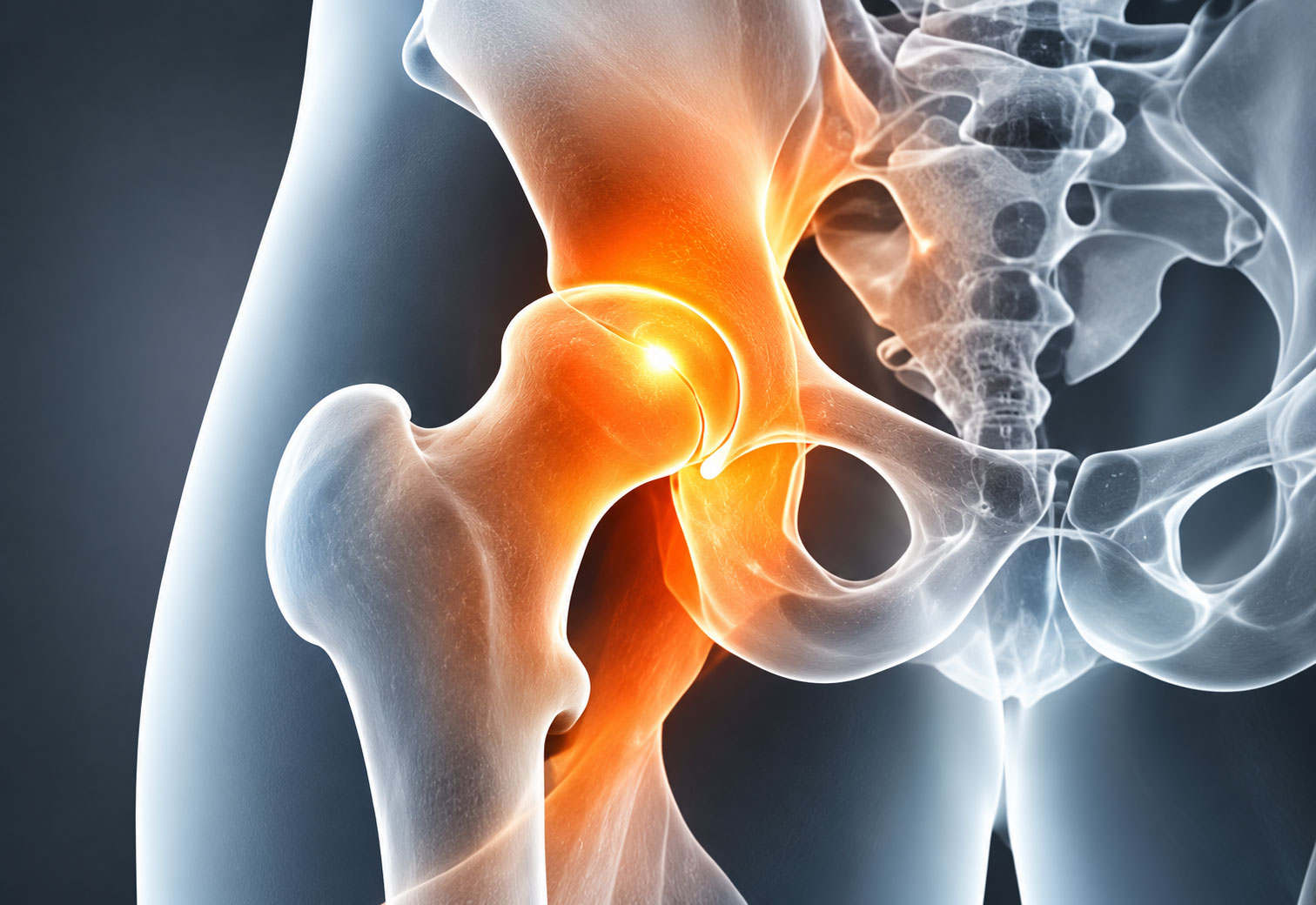
Hip osteoarthritis
Changes in the hip joint that can cause pain, stiffness and reduced mobility.
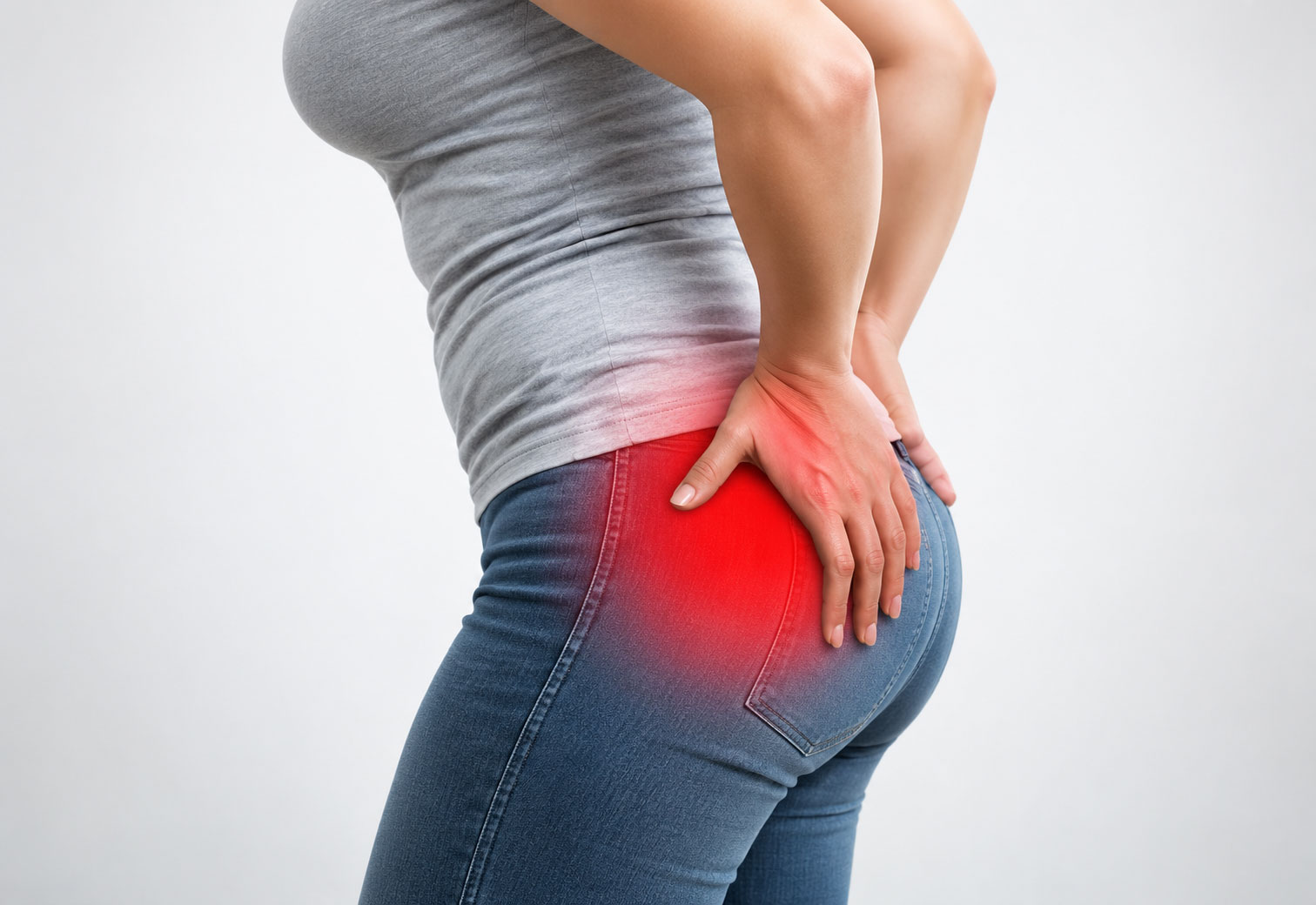
Gluteal tendinopathy
Irritation or degeneration of the tendons around the outer hip, often causing pain when lying on that side or walking.
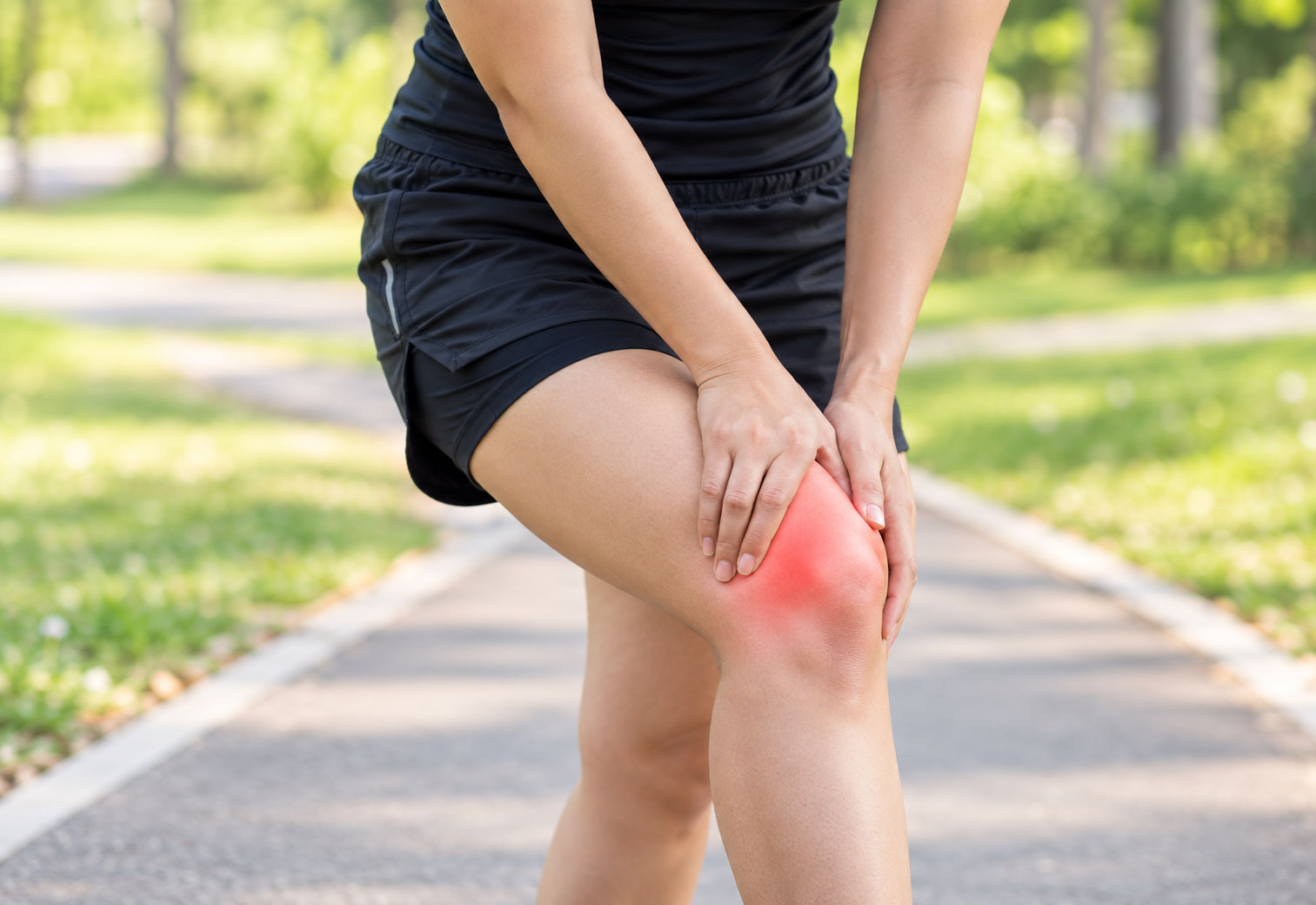
Hip flexor or groin strains
Muscle injuries that may occur during sport, running or sudden movements.
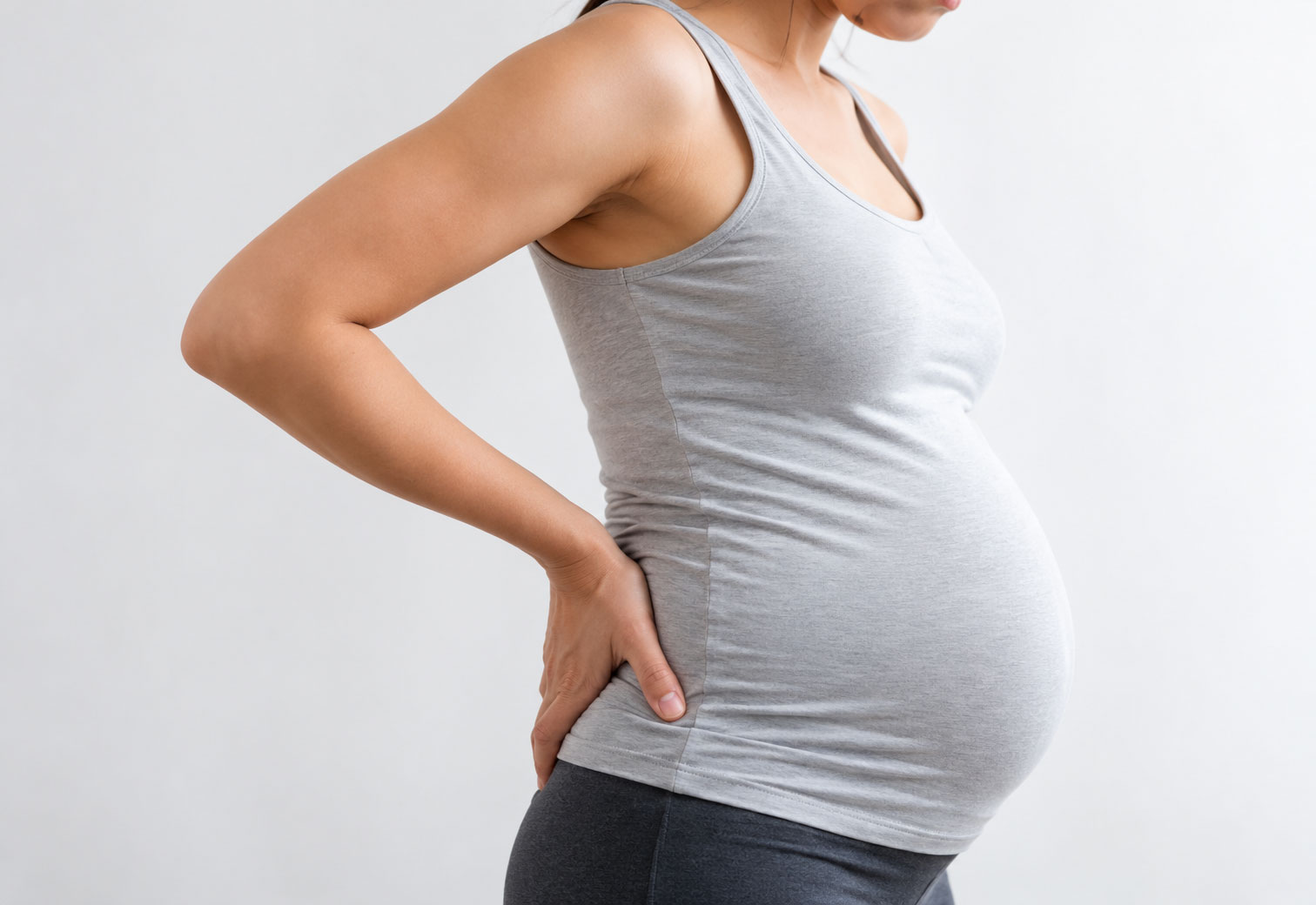
Pelvic girdle pain
Pain around the pelvic joints or surrounding structures, including during pregnancy and after childbirth.
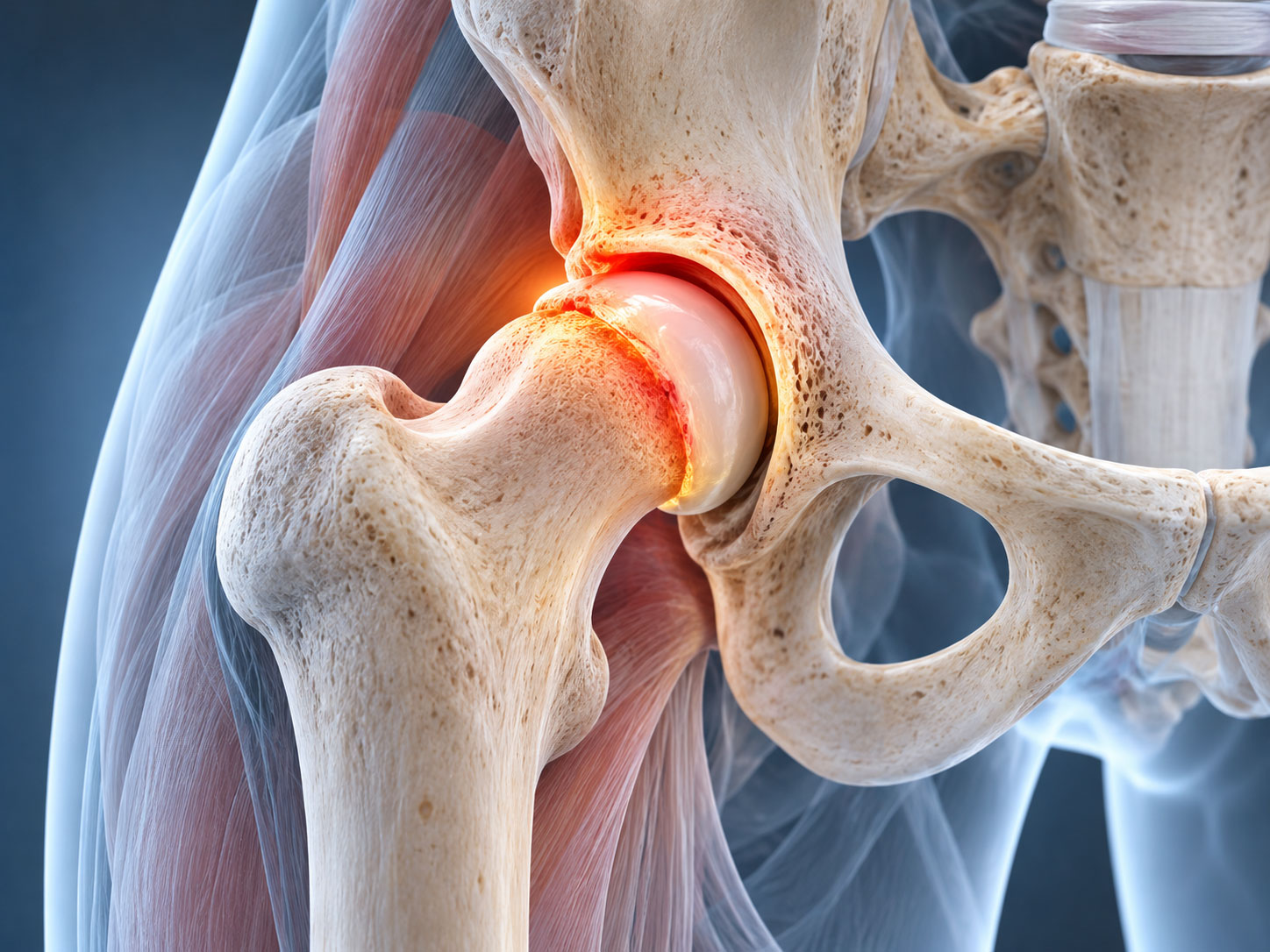
Femoroacetabular impingement (FAI)
A hip joint condition that can cause groin pain, particularly with deep hip bending.
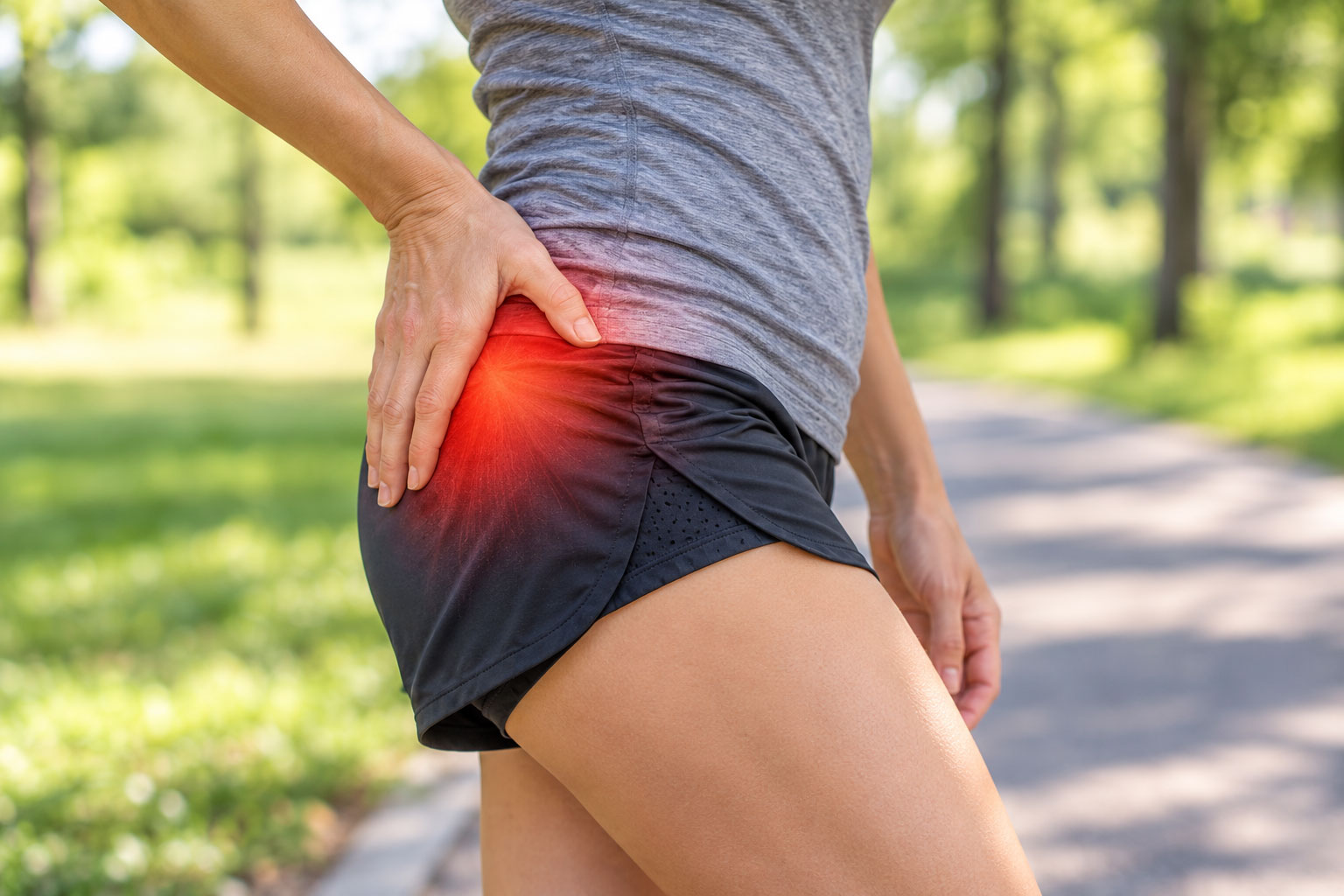
Hip bursitis
Commonly used to describe pain around the outer hip, which may involve irritation of nearby tendons and other tissues.
Our assessment process
How do we assess pelvic and hip pain?
Your assessment begins with understanding your symptoms, medical history, activity levels and personal goals.
Understand your symptoms
We discuss your symptoms, medical history, activity levels and goals.
Assess movement
We assess your hip joints, pelvis, surrounding muscles, lower back and movement patterns.
Build your plan
We create a personalised treatment plan tailored to your symptoms, needs and goals.
Frequently asked questions
Your questions, answered
Can physiotherapy help with hip pain?
Often, yes. Physiotherapy can reduce pain, improve hip mobility, build strength and stability, and address the movement patterns contributing to your symptoms.
Can pelvic pain occur during pregnancy or after childbirth?
Yes. Pelvic girdle pain is common during pregnancy and after childbirth. A physiotherapist can assess the pelvic joints and surrounding structures and suggest individualised strategies.
When should I seek urgent assessment?
Seek urgent medical help after a significant fall or injury, if you cannot bear weight, or if pain comes with fever, unexplained weight loss, numbness, or changes in bladder or bowel control.