Freezing
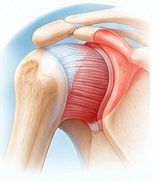
- Painful stage (weeks–months)
- Increasing pain, especially at night
- Movement gradually gets worse
Understanding Frozen Shoulder and What You Can Do About It
Find out why frozen shoulder happens, what to expect at each stage, and how physiotherapy can help you manage pain and gradually regain movement.
Frozen shoulder, also known as adhesive capsulitis, is a common shoulder condition that causes pain, stiffness and a progressive loss of movement. It can make everyday tasks—like reaching overhead, putting on a jacket or reaching behind your back—much more difficult.
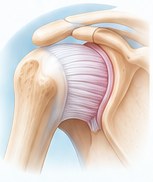
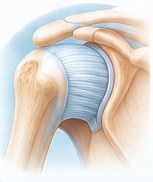
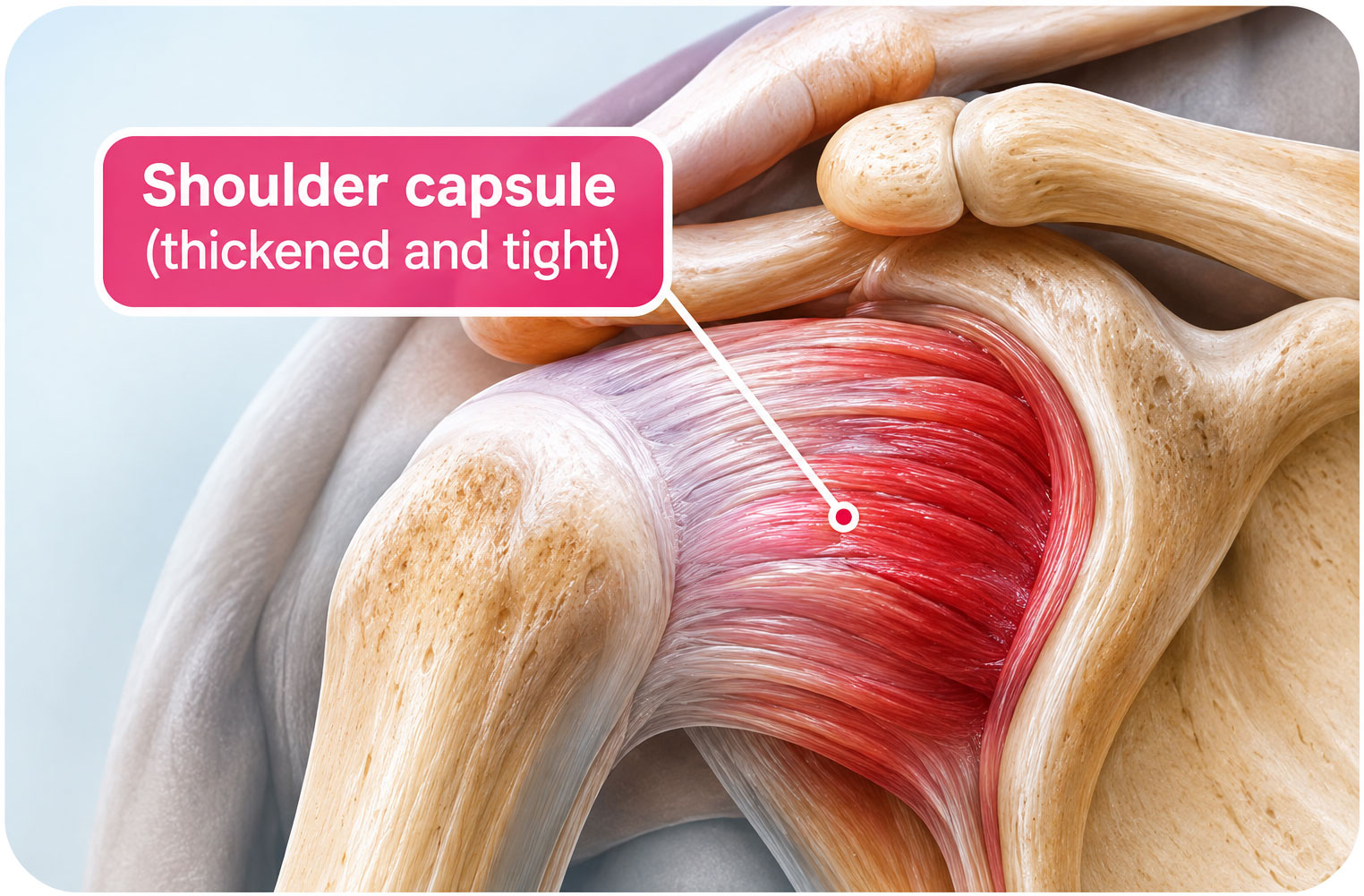
The capsule – the protective sleeve of tissue around the ball-and-socket joint – becomes inflamed, thickened and tight. As a result, your shoulder gets painful and you genuinely lose movement.
If you think your shoulder is freezing up, come in and we’ll assess it and discuss the right management plan for you.
Book an AppointmentIt varies from person to person. Frozen shoulder often moves through its stages over many months, and in some people it takes longer than a year. Movement typically returns gradually, and physiotherapy can help you manage symptoms and keep moving as well as you can along the way.
Not always. Frozen shoulder is usually identified from your history and a physical assessment of how your shoulder moves. Imaging may be considered if the diagnosis isn’t clear or another problem is suspected.
Some people find an injection helpful for pain, particularly in the early painful stage, but it isn’t right for everyone. It’s a decision to discuss with your GP or specialist and is usually combined with other management.
Physiotherapy can help manage pain, keep your shoulder moving as comfortably as possible and guide exercises suited to your stage. We assess your shoulder and build a personalised plan.