Gradual overuse
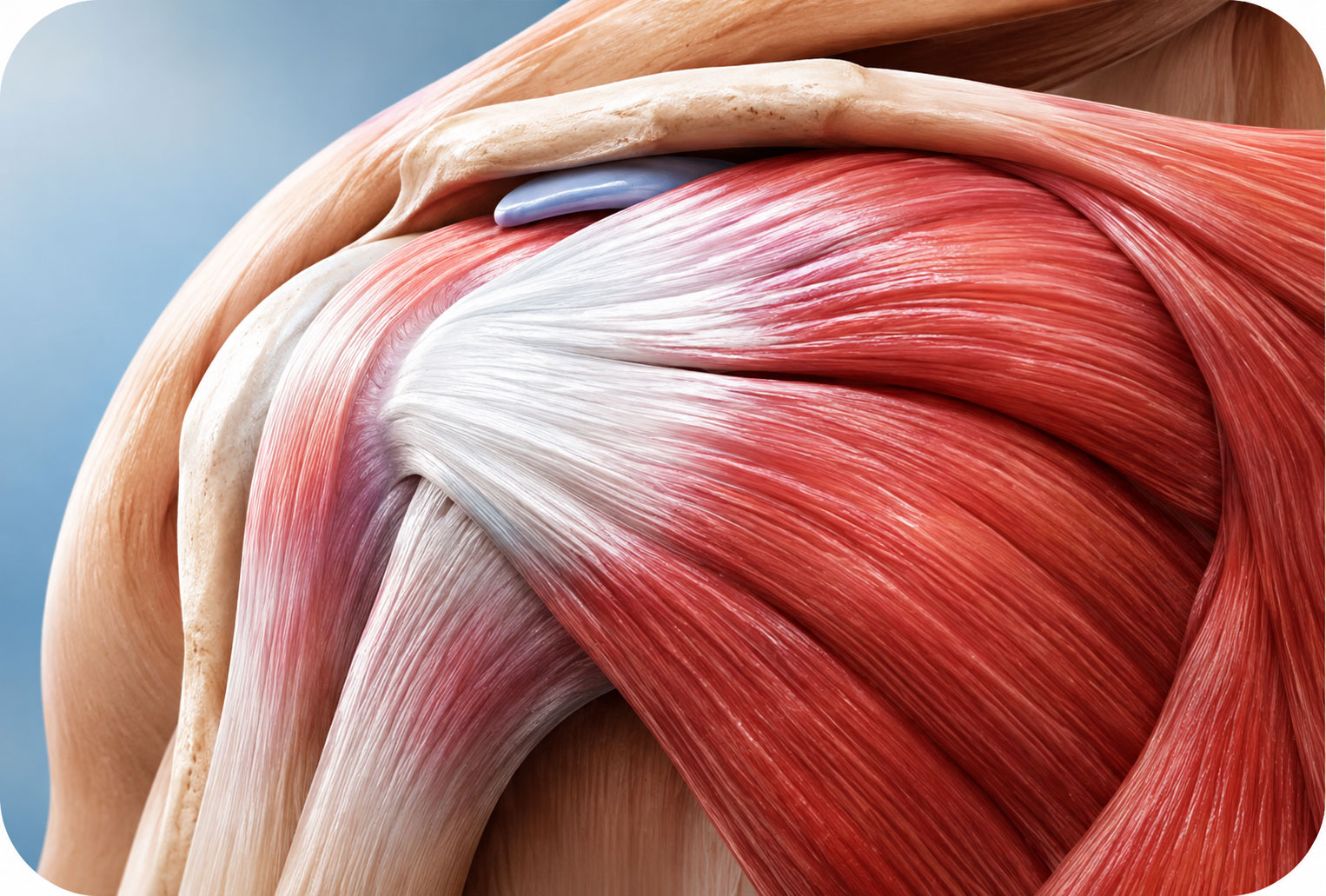
Repetitive tasks like lifting, vacuuming, serving at tennis or overhead work can build up strain over time.
Understand the four muscles of the rotator cuff, common causes of injury, the key symptoms to look out for and how physiotherapy can help you get back to the activities you enjoy.
Shoulder pain can make everyday tasks – like reaching for your seatbelt, combing your hair or cleaning a window – feel difficult. A common cause is a rotator cuff injury. Here’s what it is, why it gets injured and how we can help.
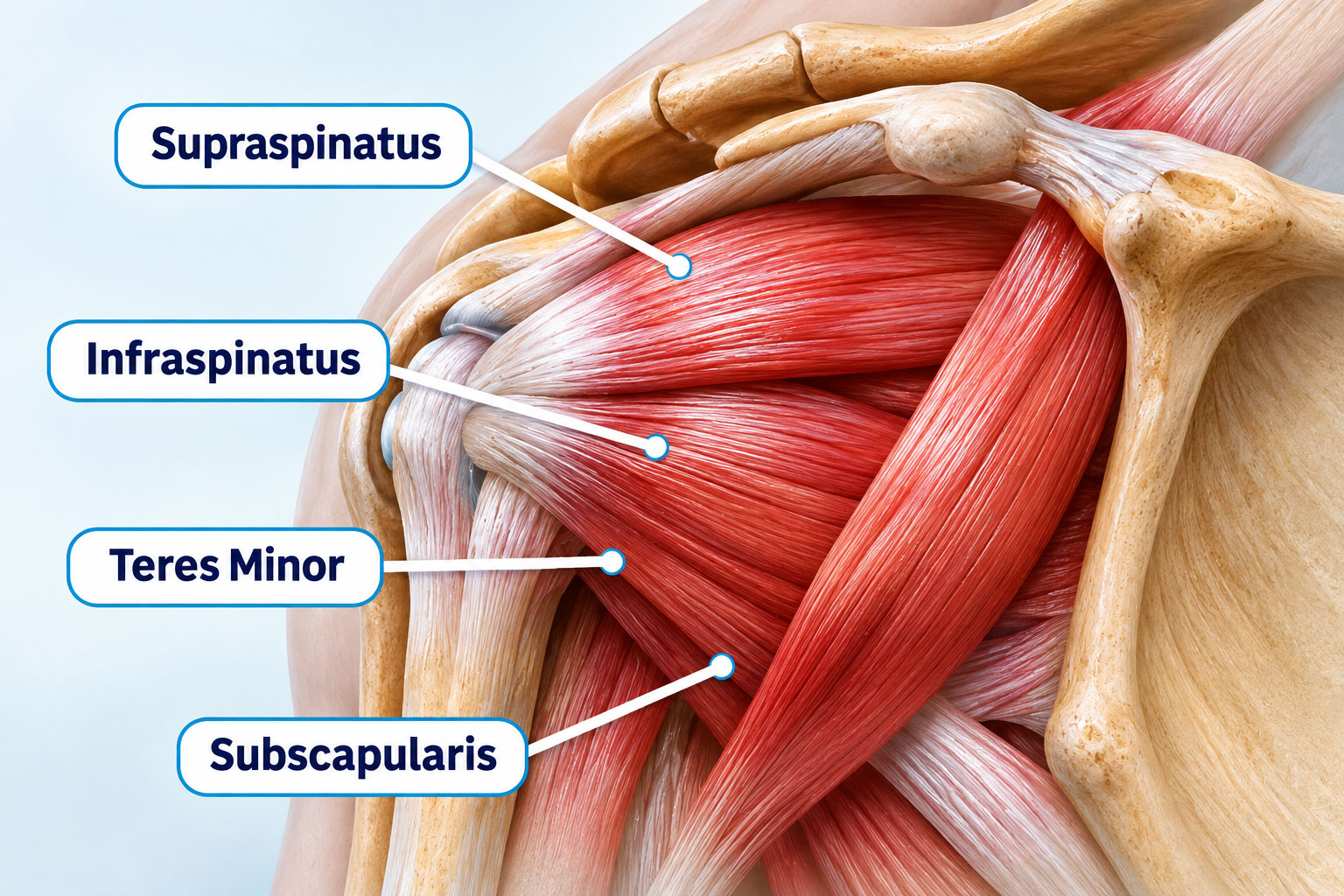
The rotator cuff is a group of four muscles that help rotate your arm and keep the ball of your shoulder controlled in its socket while you move.
Helps lift your arm, especially at the start of the movement.
Helps rotate your arm outwards (away from your body).
Works with the infraspinatus to rotate your arm outwards and keep it stable.
Helps rotate your arm inwards (towards your body) and adds shoulder stability.
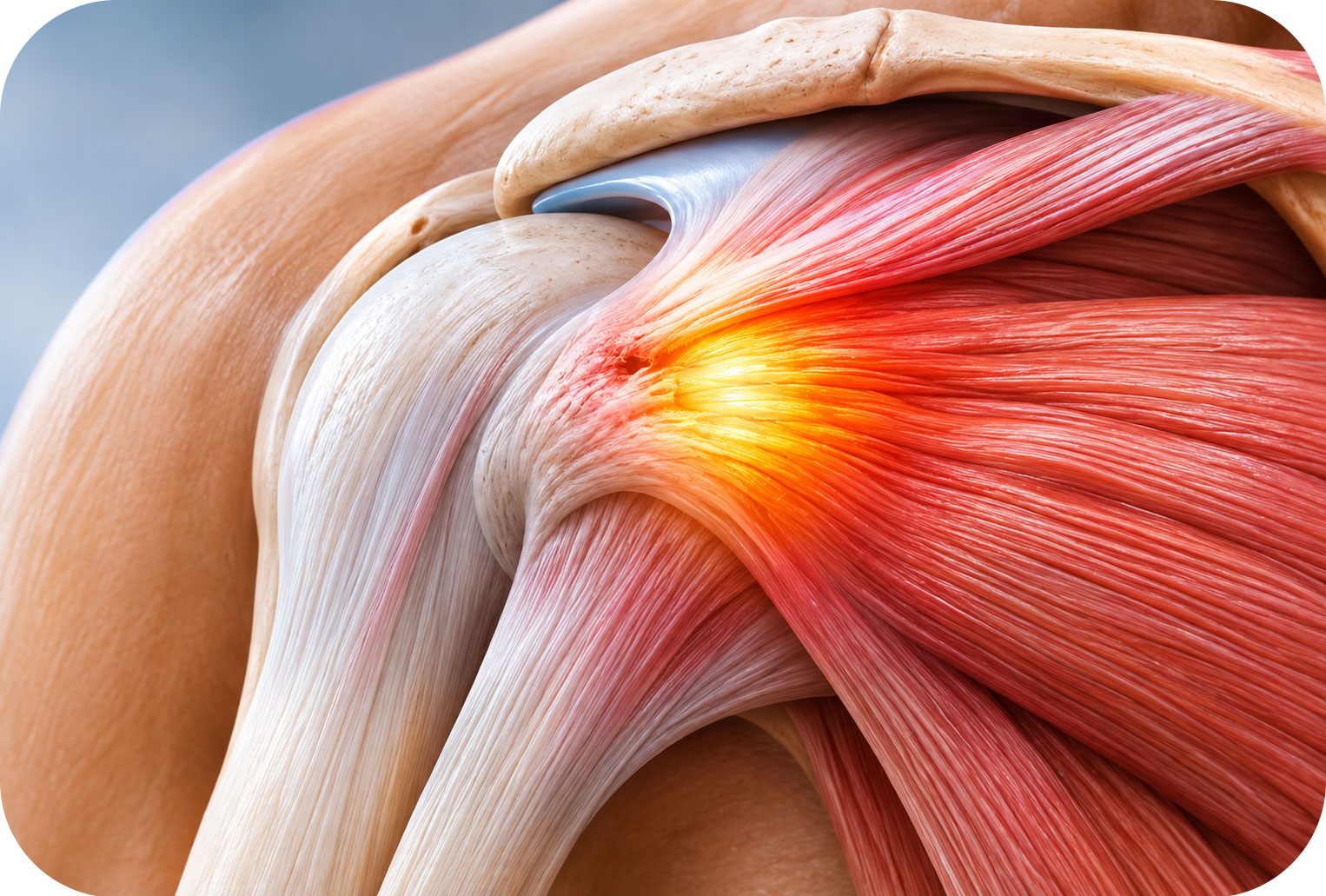
Rotator cuff injuries can happen from a single incident or can develop gradually over time.
Repetitive tasks like lifting, vacuuming, serving at tennis or overhead work can build up strain over time.

Regular or heavy lifting and repeated overhead movements can place extra load on the tendon.

A fall, a quick awkward movement or lifting something heavy can injure the rotator cuff more suddenly.
 Pain when
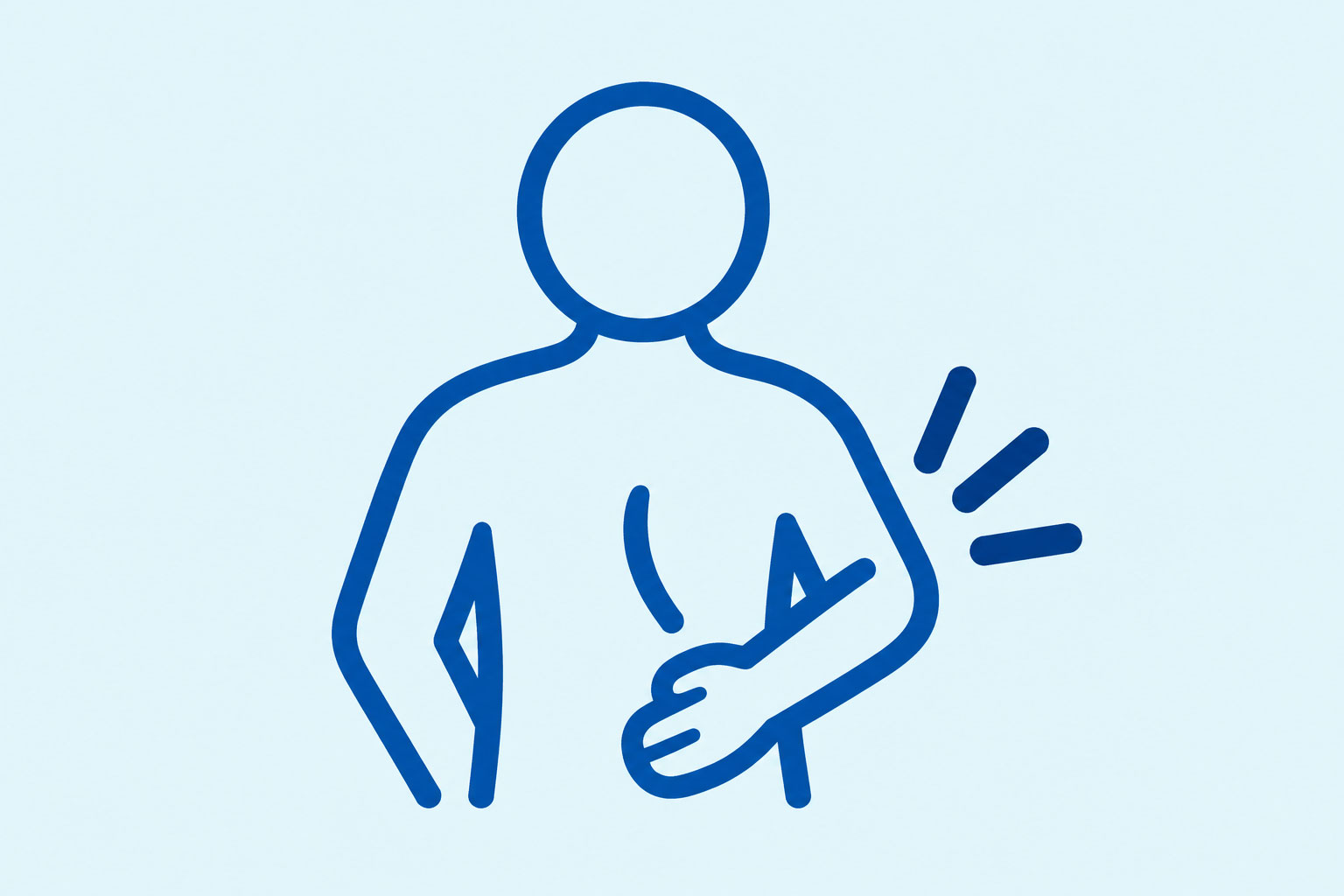 Pain reaching
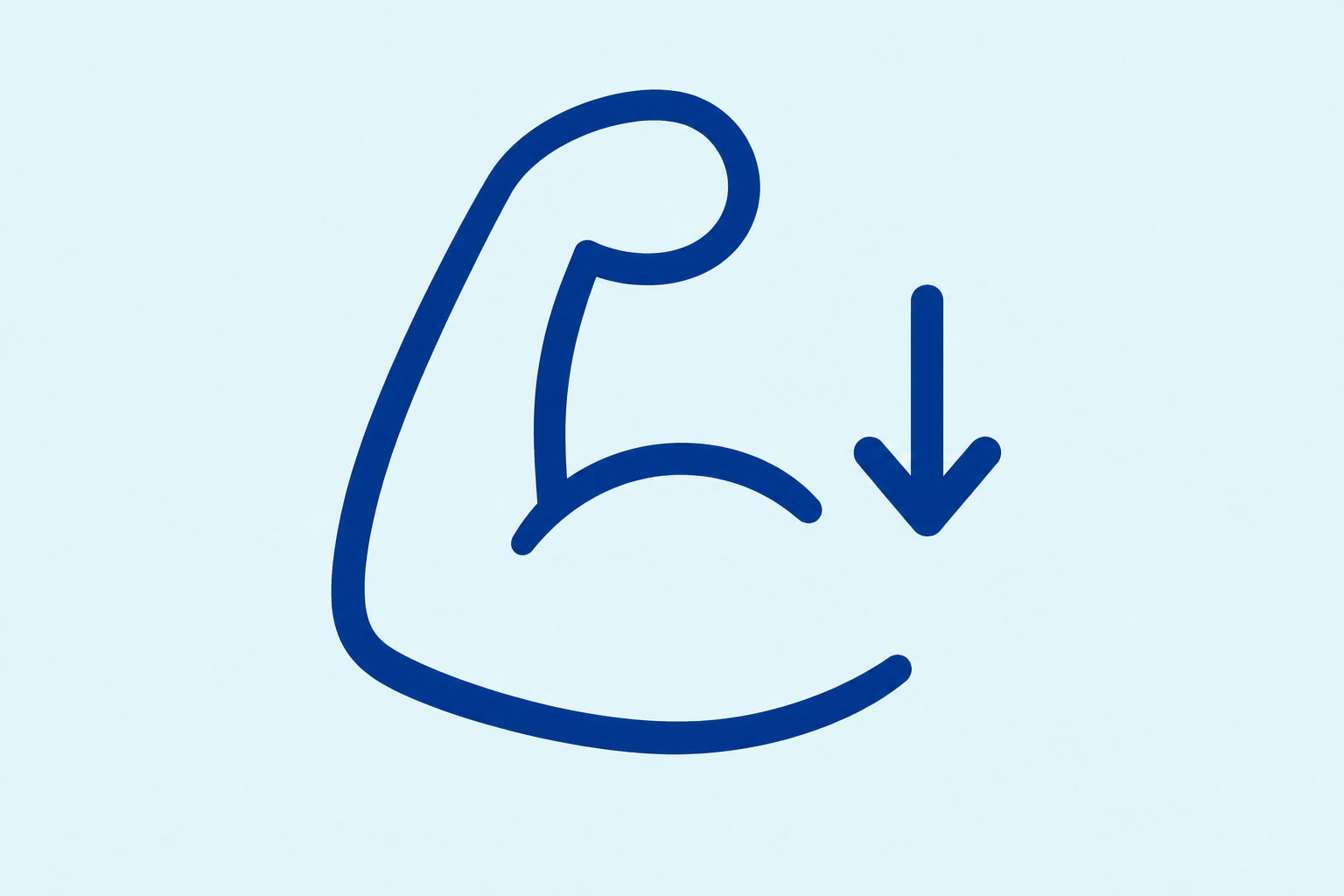 Weakness in

We’ll assess your shoulder, test the different movements and muscles, and check what you’re finding difficult. From there, we put together a plan that suits you.
Common clues include pain when lifting or reaching, pain at night when lying on the shoulder, and weakness with certain movements. Other shoulder problems can feel similar, so an assessment is the best way to find out what’s going on.
No. Many rotator cuff problems can be assessed clinically. A scan such as an ultrasound or MRI may be useful if the diagnosis is unclear, after a significant injury, or if symptoms aren’t improving.
Many can improve with appropriate management, including guided exercise and activity modification. Whether surgery is considered depends on the type and size of the injury, your symptoms and your goals. Your physiotherapist can help you understand your options.
It varies with the nature and severity of the injury. Some people notice improvement within weeks, while others need several months of progressive rehabilitation.